
7 Proven Tips for Cozy Room Decor That Works
True comfort is rarely something you just look at; it is something you deeply feel, breathe, and experience. When you walk into a sanctuary enhanced by masterfully designed cozy room decor, your shoulders drop, your breathing slows, and your nervous system instantly receives the signal that it is safe to unwind. While standard interior design often focuses purely on visual layouts and trendy aesthetics, true high-level cozy room decor relies on hidden sensory triggers: light, texture, acoustic softening, and scent.
By strategically weaving these multi-sensory layers together, you can turn any cold, sterile, or fragmented living space into a deeply restoring retreat. This comprehensive guide covers 7 proven strategies for cozy room decor, breaks down why creating a cozy environment is vital for your health, and provides actionable frameworks to elevate your home’s atmosphere immediately.
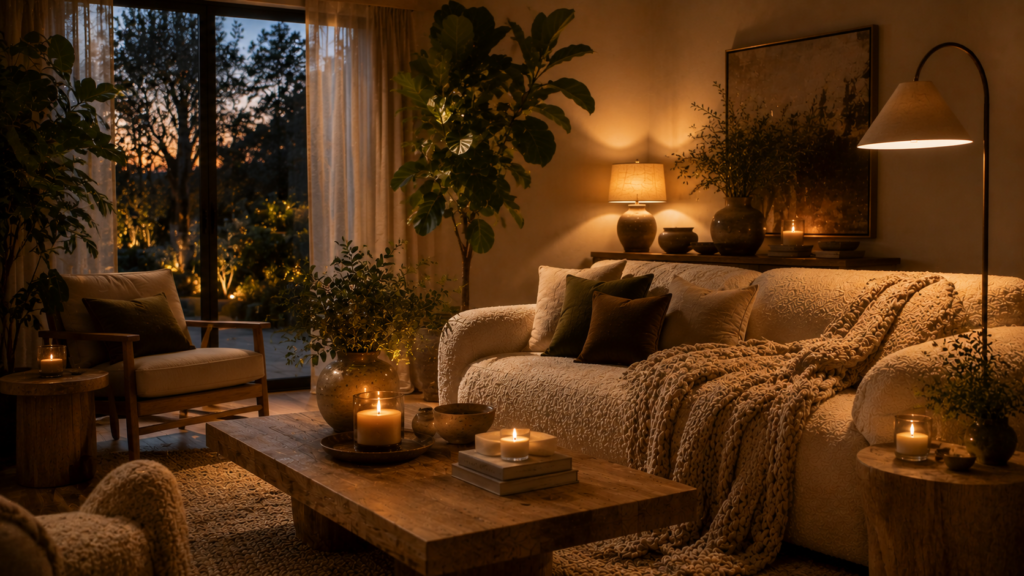
Why a Cozy Room is Essential for Your Well-Being
In our hyper-connected, high-stimulation world, your living environment plays a fundamental role in your cognitive recovery and emotional regulation. Homes that feel cold, overly modern, or starkly illuminated act as subtle psychological stressors, keeping the nervous system in a state of mild alert.
Creating a intentional, cozy sanctuary is not merely an aesthetic luxury—it is a vital component of holistic wellness.
- Nervous System Decompression: Exposure to warm lighting, soft textiles, and grounding scents lowers cortisol levels and signals your parasympathetic nervous system to initiate rest mode.
- Enhanced Sleep Hygiene: Designing a cozy space with low-level, warm lighting during the evening stimulates natural melatonin production, preparing your body for deeper, uninterrupted sleep.
- Improved Focus and Mental Clarity: A room designed around warm wood tones, organic textures, and intentional furniture layouts eliminates visual clutter, reducing brain fatigue and helping you recharge after long workdays.
- Emotional Grounding and Security: Tactile materials like wool, velvet, and natural timber provide physical comfort, creating a psychological feeling of safety, warmth, and sanctuary.
| Benefit Category | Impact of a Cozy Environment | Key Decor Elements Driving the Benefit |
| Psychological | Reduces anxiety, stress, and sensory overwhelm | Soft ambient lighting, earthy scent profiles |
| Physiological | Improves sleep quality and lowers heart rate | Plush textiles, ergonomic seating, warm color palettes |
| Cognitive | Clears visual clutter and boosts restful mindfulness | Biophilic elements, organized furniture flow |
1. Harness Low-Level Warm Lighting
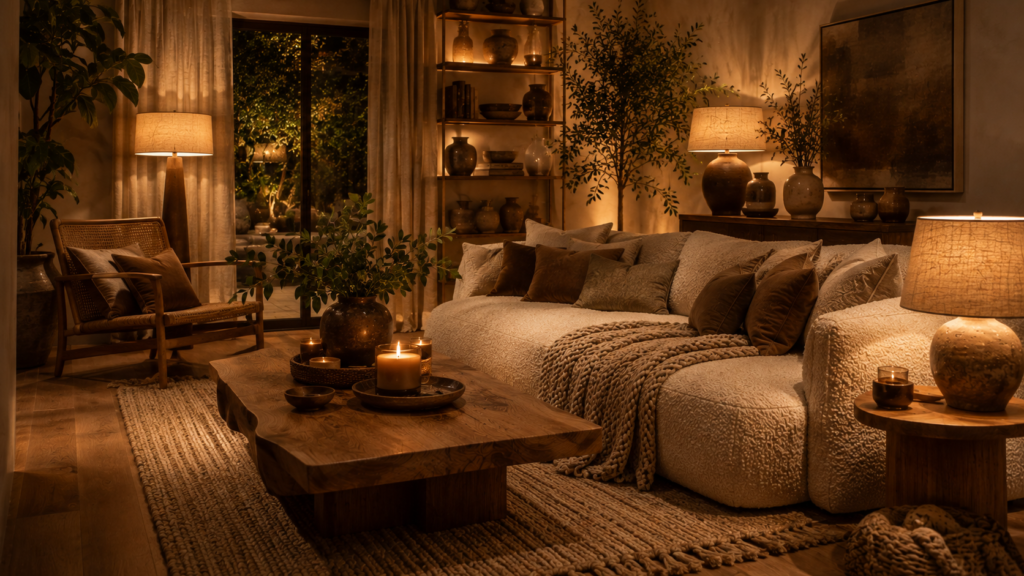
Harsh overhead lighting is the quickest way to ruin cozy room decor. Bright, direct white bulbs mimic high-noon sunlight or institutional environments, signaling your brain to stay alert rather than relax.
To build an effective, soothing lighting setup, focus on lower-level illumination that casts gentle shadows and warm hues throughout the space:
- Warm Bulb Color Temperatures: Stick exclusively to LED bulbs rated between 2200K and 2700K. This range reproduces the golden, soothing glow of firelight and sunset.
- Layered Light Sources: Completely eliminate central overhead lighting in the evening. Instead, distribute table lamps, wall sconces, floor lamps, and under-shelf strip lighting at varying heights.
- Dimmability & Control: Install smart dimmers or smart plugs to easily shift the mood of your cozy room decor as daylight fades, allowing your space to sync naturally with your evening routine.
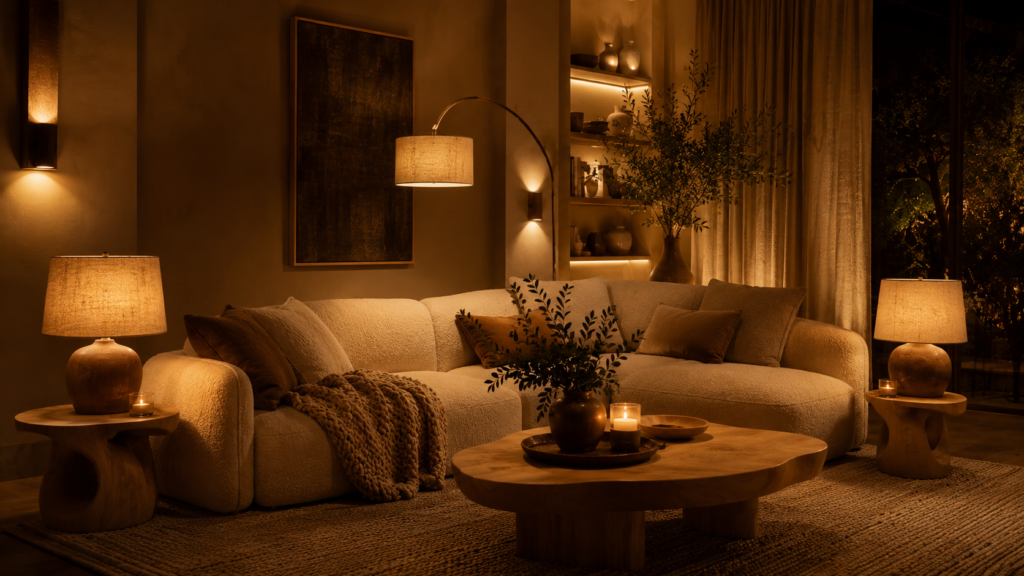
If you want to take your lighting strategy further, explore these living room trends for 2026 for more ways to create a warm and inviting atmosphere.
2. Mix Tactile Fabric Textures
Physical feel is a core pillar of cozy room decor. If a space only contains flat, hard surfaces like polished glass, sleek metal, or sealed hardwood, it will always feel visually distant and physical uninviting.
Layering contrasting textiles brings immediate tactile warmth and visual depth to your room:
- Soft Accent Layers: Mix chunky knit wool throws, weighted cotton blankets, velvet cushions, and heavy linen drapery. This mix of smooth and heavily textured fabrics creates a rich visual invitation.
- Plush Flooring Foundations: Anchor your seating area with a high-pile wool rug, a plush shag rug, or a textured jute layer. Covering cold floors makes every step feel comfortable and drastically improves acoustic warmth by dampening room echo.
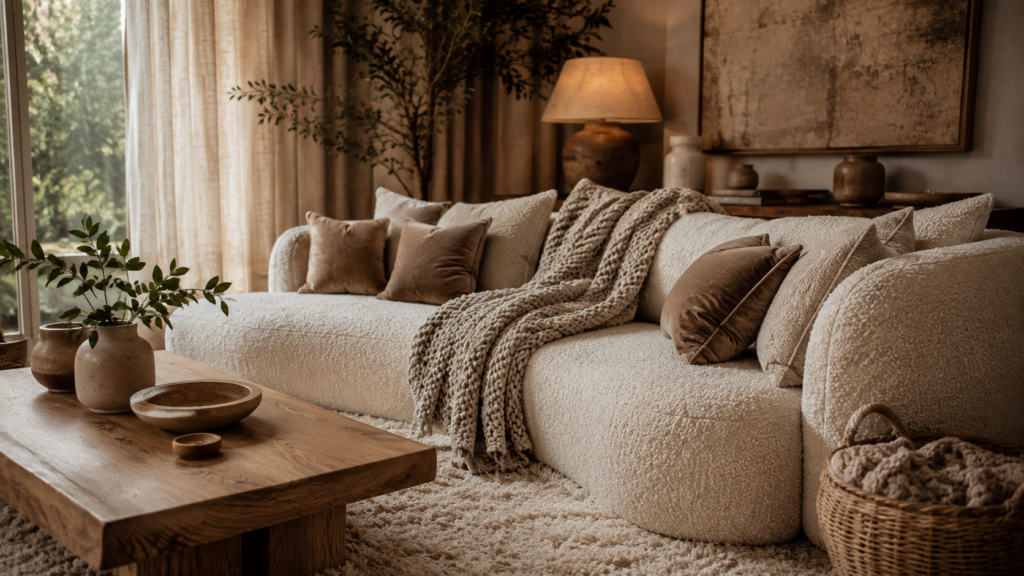
A well-chosen rug can instantly add softness and visual warmth, so check out these stunning rug styling ideas for designer-approved ways to layer rugs into your space.
3. Layer Natural Wood and Earthy Elements
Incorporating raw, natural materials is essential for creating timeless cozy room decor. Synthetic plastics and ultra-glossy finishes often feel cold and impersonal. Earthy wood tones bring an organic grounding effect that connects your indoor environment to the natural world.
- Raw Timber Features: Incorporate exposed wooden beams, reclaimed timber coffee tables, or butcher-block shelving to bring structural warmth into the space.
- Woven Accents: Introduce rattan, wicker baskets, and cane furniture details. These woven textures break up hard geometric lines and add organic visual complexity.
- Earthy Color Palettes: Pair dark walnut or light oak wood stains with rich wall tones like terracotta, sage green, warm taupe, and deep ochre.

For more inspiration on combining natural materials, warm wood tones, and organic textures, see these organic modern decor ideas.
4. Utilize Signature Scent Anchors
Smell connects directly to the limbic system—the emotional center of the human brain. You can curate a visually stunning layout, but without an inviting aroma, your cozy room decor will feel incomplete and distant.
- Earthy Base Notes: Utilize soy wax candles, reed diffusers, or cold-air essential oil diffusers featuring amber, sandalwood, cedarwood, and patchouli. These deep scent profiles anchor the space.
- Spicy & Nostalgic Touches: Hints of cinnamon, clove, cardamom, or warm vanilla add nostalgic comfort, transforming your living room into a cozy haven.
- Seasonal Rotation: Match your ambient scent anchors to the season—light woody citrus for spring and summer, and deep spice or resinous pine for fall and winter.
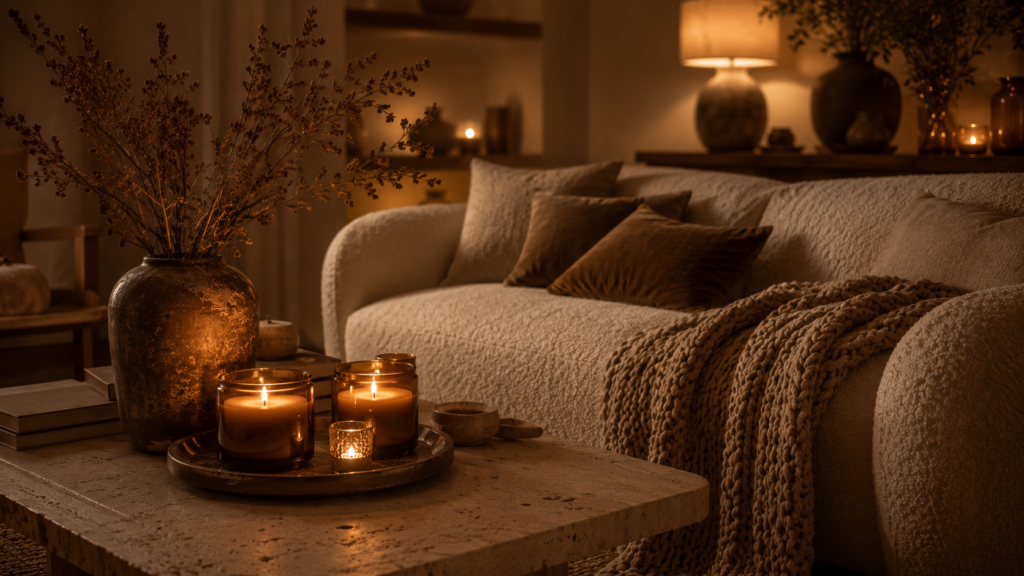
Scent is only one part of creating a truly immersive room. Discover more ways to engage all five senses with these sensory cozy living room ideas.
5. Sensory Elements Implementation Guide
To help you balance these design pillars seamlessly, use this quick-reference matrix to align your decor choices with their direct environmental impacts:
| Sensory Factor | Focus Area | Impact on Atmosphere | Best Implementation in Cozy Room Decor |
| Lighting | 2200K–2700K Warm Bulbs | Relaxes nervous system & reduces eye strain | Use multiple dimmable lamps scattered at eye level. |
| Texture | Wool, Velvet, Wood, Linen | Invites physical touch & dampens room echo | Layer plush throws and textured rugs over hard flooring. |
| Scent | Sandalwood, Amber, Spice | Evokes emotional warmth & nostalgia | Diffuse warm essential oils or burn natural soy candles. |
| Biophilia | Living Plants, Raw Wood | Improves air quality & grounds the space | Place leafy potted plants near natural light sources. |
| Layout | Inward Seating, Low Profiles | Encourages intimate conversation & flow | Position furniture facing toward a central hearth or table. |
6. Introduce Biophilic Greenery
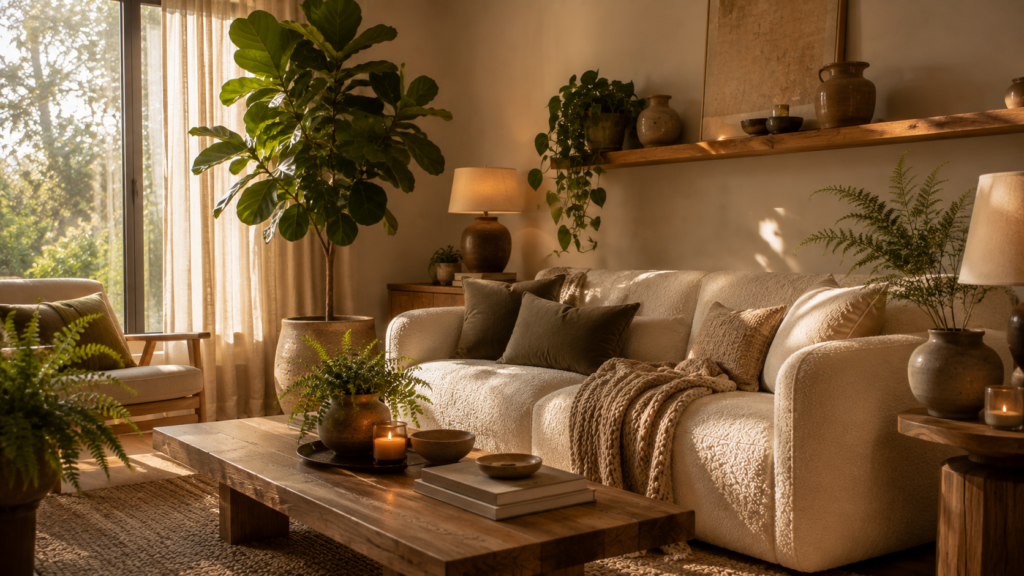
Indoor plants add vibrant life and dynamic color to cozy room decor. Beyond their aesthetic charm, greenery balances soft textiles and dark furniture while actively improving indoor air quality and regulating humidity.
- Trailing Vines for Softness: Place trailing plants like pothos, heartleaf philodendrons, or string of pearls on high shelves or hanging planters. Their cascading leaves break up sharp wall angles.
- Architectural Floor Plants: Feature larger foliage such as fiddle-leaf figs, monstera deliciosa, or snake plants in woven seagrass baskets to fill empty corners.
- Textured Botanical Accents: Incorporate dried eucalyptus, pampas grass, or preserved moss art if your space lacks the natural light needed for living plants.
If you love bringing nature indoors, explore these biophilic living room ideas for more ways to incorporate greenery and natural elements.
7. Group Furniture for Intimate Flow
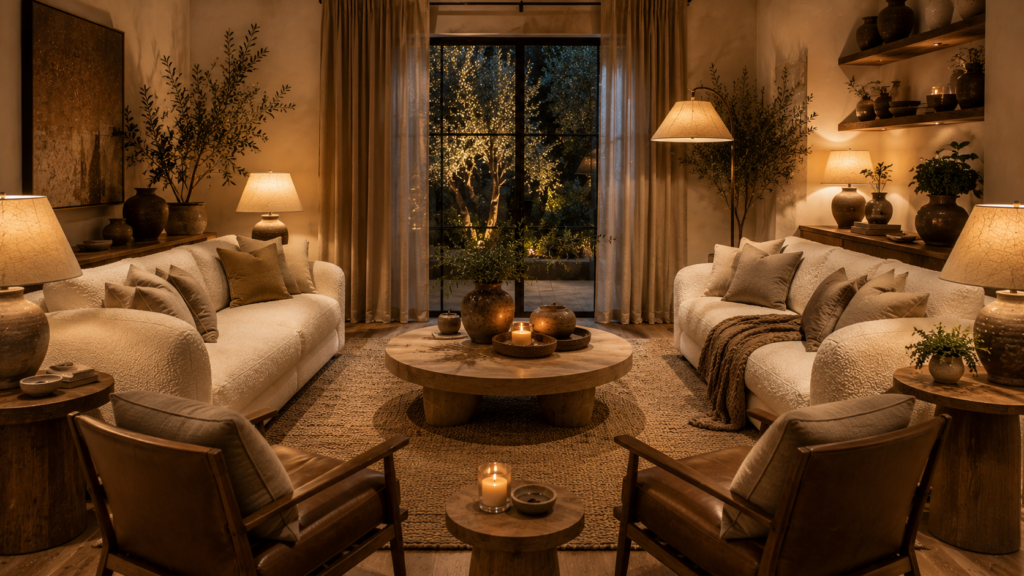
The spatial flow of a room dictates how comfortable it feels to move through, relax in, and hold conversations. Wide, spread-out furniture arrangements make a room feel like an open public lobby rather than a private sanctuary.
- Inward-Facing Layouts: Arrange sofas and accent chairs to face inward toward a central anchor, such as a rustic coffee table, an ottoman, or a fireplace.
- Define Micro-Zones: If you have a large living space, carve out distinct functional nooks. A cozy reading corner featuring a winged armchair, a small side table, and a dedicated reading lamp creates an inviting mini-sanctuary within the broader room.
- Keep Pathways Clear: Ensure smooth transit paths around seating groups so the space feels structured, functional, and intentionally planned.
For more ways to make a living room feel intentional and inviting, explore these living room details that make a space feel complete.
High-Impact Additions for an Ultra-Cozy Atmosphere
If you want to take your cozy room decor to an advanced level, consider integrating these high-impact features that go beyond basic furniture arrangement:
- Acoustic Fabric Panels & Wall Tapestries: Hard, bare walls bounce sound around, creating an uncomfortable echo. Hanging woven wall tapestries or installing decorative acoustic felt panels absorbs excess sound, giving your room a quiet, hushed quality.
- Dedicated Reading Nooks & Window Seats: Transform underutilized architectural spaces—like window bays, staircase landings, or awkward alcoves—into dedicated relaxation spots with custom seat cushions and plush floor pillows.
- Smart Lighting Automation: Set your smart lights to automatically transition from cool daylight hues during working hours to deep 2200K amber tones at sunset, automating your home’s transition into relaxation mode.
Frequently Asked Questions
What is the most critical element of cozy room decor?
Lighting is widely considered the single most crucial element of cozy room decor because it immediately dictates the visual tone, mood, and perceived temperature of the space. Swapping harsh white overhead lights for warm 2200K–2700K lamp light instantly softens any room.
How can I achieve cozy room decor on a budget?
You can update your room affordably by swapping existing light bulbs for warm-toned versions, thrift-shopping for vintage wooden accents, adding a chunky knit throw blanket, and using scented candles or affordable essential oil diffusers. Rearranging your furniture to create an intimate seating zone costs nothing and dramatically alters room feel.
Which scents pair best with warm lighting?
Deep, earthy base notes like cedarwood, vanilla, sandalwood, amber, and frankincense pair exceptionally well with warm lighting. These rich aromas complement low-level amber illumination to complete your home’s sensory ecosystem.
How do I prevent cozy room decor from looking cluttered?
Focus on quality over quantity. Choose fewer, higher-impact items—such as one large textured wool rug, two plush throw blankets, and a single statement plant—rather than crowding surfaces with small trinkets. Maintain clear walkways and use hidden storage solutions like storage ottomans or woven baskets to keep clutter out of sight.
The same sensory principles can also transform your bedroom into a peaceful retreat—explore these cozy bedroom decor ideas for simple ways to create a warmer, more relaxing space.
Final Thoughts on Sensory Living
Transforming your living space into a personal sanctuary goes far beyond simply keeping up with changing interior design trends. By thoughtfully balancing low-level warm lighting, tactile fabrics, rich woody scents, biophilic greenery, and intimate furniture layouts, you build a multi-sensory environment designed to promote deep rest, recovery, and daily peace.
[…] more mantel and surface styling inspiration, browse our 7 proven tips for cozy room decor that actually […]